

Nourishing Menus: Practical Guide to Texture Modified Diets
Texture-modified diets support individuals with chewing or swallowing difficulties. This guide explains IDDSI standards and outlines practical approaches to preparing safe, nutritious, and appealing meals.





What is a Texture‑Modified Diet and Why Is It Important?
A texture‑modified diet involves adjusting the texture of foods and the thickness of fluids so they can be swallowed more safely and comfortably. These adjustments are made to support people who experience difficulty chewing or swallowing, ensuring that eating and drinking remain both safe and nourishing.
When food or fluids are not matched to a person’s swallowing ability, the risk of choking and aspiration increases. At the same time, meals that are unappealing, difficult to manage or lack variety can lead to reduced intake.
Who Is a Texture‑Modified Diet For?
In aged care, texture‑modified diets are commonly recommended for people with dysphagia, the clinical term for swallowing difficulties. Not every person with dysphagia will need texture modification, and requirements may change over time. Recommendations are typically made by a speech pathologist, working closely with a dietitian, to ensure that any modifications support both swallowing safety and adequate nutritional intake.
What Are the IDDSI Standards?
The International Dysphagia Diet Standardisation Initiative (IDDSI) provides a globally recognised framework for classifying food textures and drink thicknesses. Its purpose is to create a shared language across healthcare, aged care and foodservice settings, reducing confusion and improving safety.
The IDDSI Framework defines eight clear levels based on measurable characteristics:
- Levels 0–4 apply to drinks, ranging from thin through to extremely thick.
- Levels 3–7 apply to foods, from liquidised and puréed to soft and bite‑sized and regular textures.
Using IDDSI standards supports:
- Consistent preparation across kitchens and care teams.
- Clear communication between clinicians, carers and foodservice staff.
- Safer swallowing outcomes for people with dysphagia.
In aged care settings, IDDSI alignment is an important enabler of Standard 6, helping providers demonstrate that meals are clinically appropriate, safe and tailored to individual needs.
Practical tips on preparing texture-modified foods
While texture modification improves safety, it must also support enjoyment, dignity and nutritional adequacy. Poorly prepared texture‑modified meals are associated with reduced intake, particularly when food lacks flavour, visual appeal or variety. The following strategies help translate clinical recommendations into high‑quality mealtime experiences:
Focus on presentation and dignity:
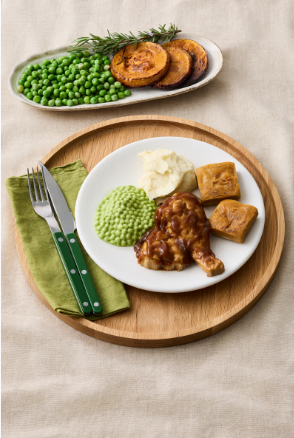
- Using moulds for puréed foods can transform the appearance of meals, helping them resemble familiar dishes. This improves visual appeal, supports dignity and encourages intake, particularly for residents on long‑term modified diets.
- Improved presentation can encourage intake, increase meal variety and help residents feel more confident and engaged at mealtimes.
Choose foods that naturally meet texture requirements:
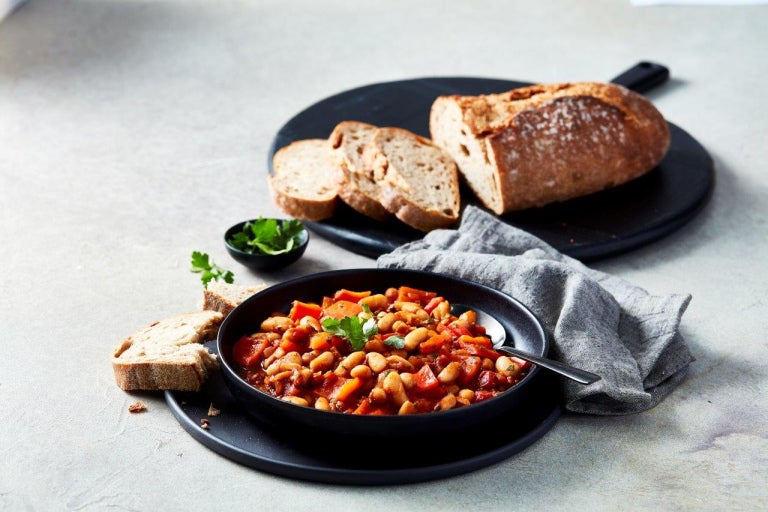
- Many everyday foods already align with specific IDDSI levels. Soft eggs, baked beans, tender fish and well‑cooked pasta can often be used without excessive processing.
- Working with these foods can improve flavour and mouthfeel compared with over‑blended options.

Maintain flavour and culinary quality:
- Texture modification should not mean bland meals. Sauces, herbs and spices can be used in the same way as for standard meals, provided textures remain appropriate.
- Familiar flavours help maintain enjoyment and appetite.

Manage fluid thickness carefully:
- For some people, fluids need to be thickened to slow flow and improve swallow control.
- Using a neutrally flavoured thickening agent, such as ThickenUp® Clear, allows drinks to reach the required IDDSI level without altering taste, aroma or appearance.
- Consistent thickening supports hydration while reducing the risk of aspiration.

Support nutrition with enriched options:
- High‑protein, high‑energy foods and drinks are often needed to reduce the risk of malnutrition.
- Texture‑appropriate desserts, fortified drinks and nourishing snacks — including no‑melt ice cream options — can help boost intake while maintaining enjoyment.
Encourage variety and creativity:
Repeating the same meals day after day can reduce interest and intake. Rotating menus, adapting familiar recipes and presenting meals thoughtfully all contribute to better nutritional outcomes and more positive mealtime experiences.
