

Nourishing Menus: Practical Guide to Protein & Dairy Foods
Protein and dairy foods support muscle function and bone health. This article provides guidance on protein targets and practical menu planning considerations for food service teams.





Why is protein so important for older people?
Protein supports muscle strength, mobility, the immune system and wound healing. Older people have lower appetites, so they’re eating less, but their needs are actually increased (even more so when they’re unwell). Menus need to provide enough protein at each meal and mid-meal.
Protein targets
| Meal | Protein target |
|---|---|
| Lunch or evening meal | 25 – 30g per meal Includes meat, starch and vegetables/salad |
| Dessert | 5g |
| Soup | 8g |
| Mid-meal | 5g |
Protein-rich foods
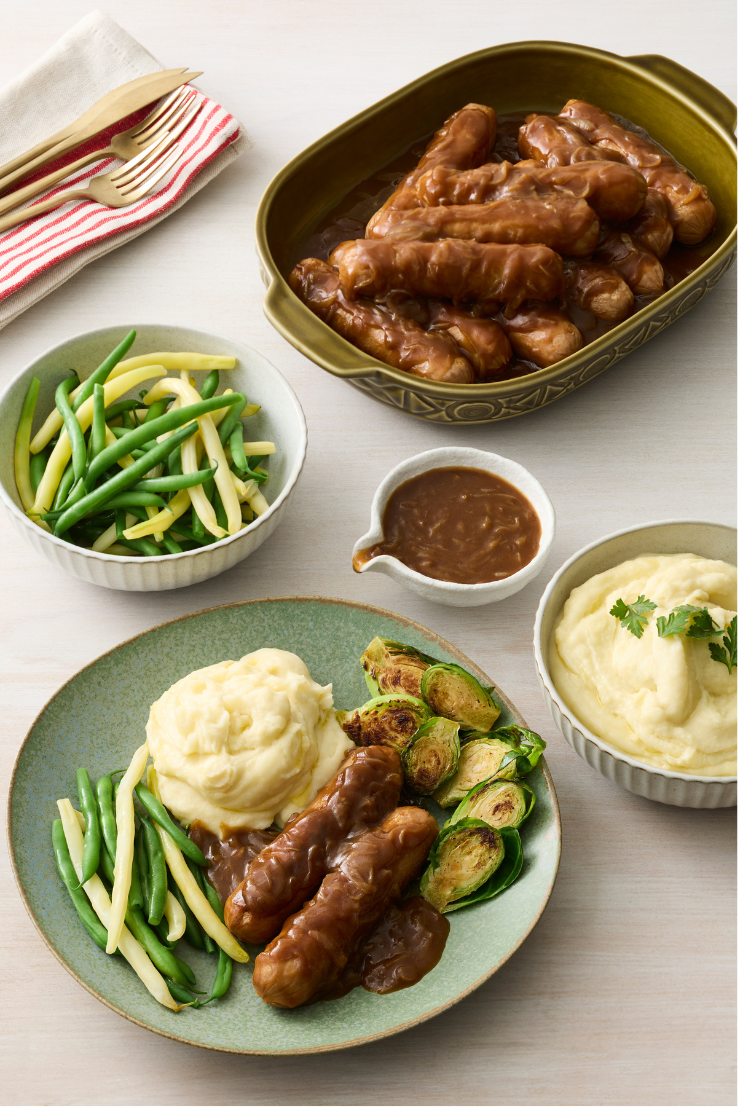
Protein is found in both animal and plant sources. Animal sources usually provide more protein for a realistic serving size.
- Beef
- Lamb
- Pork
- Chicken
- Fish
- Seafood
- Eggs
- Milk
- Yoghurt
- Cheese
- Quinoa
- Buckwheat
- Legumes/Beans
- Lentils
- Tofu/Tempeh
- Falafels
- Nuts & Seeds
- Peanut butter
Why is dairy food so important for older people?

Dairy foods are the best source of calcium, which is needed for strong bones and muscle health.
In aged care, we include cheese, yoghurt, custard, milk and ice-cream.
It's important to note that cream is high in fat and not a good source of protein or calcium. So while it may be good for energy, it’s not counted as a dairy serve.
A word about vitamin D
Vitamin D is important for strong bones. It’s made in the body when the sun hits the skin, and this is the main way we get vitamin D. It’s hard to meet requirements through diet alone. The best food sources are oily fish, egg yolks and mushrooms exposed to UV light, as well as some fortified foods such as margarine, so include these in the menu.
