

Nourishing Menus: Provide Variety and Choice
Offering variety and choice supports nutrition, hydration, and enjoyment at mealtimes. This article outlines menu planning considerations across food groups for both regular and texture-modified menus.





In general, older people have higher protein needs and smaller appetites, so nourishing food is a must! Fibre is important too as our gut slows down and we’re less active. Around 2 litres of fluids is needed daily, so ensure variety to maintain hydration.
Offering variety helps keep people interested in their meals and provides choice.
Texture modified menus should provide the same variety and the same opportunity to meet food groups as the regular menu.
Key considerations for each food group: Meat, poultry, fish, eggs, tofu, legumes/beans, nuts and seeds.
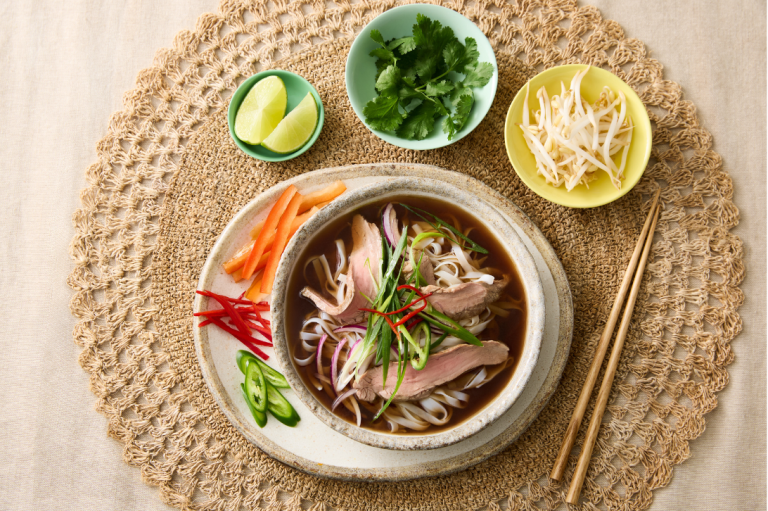
This food group is great for protein, supporting the immune system, and wound healing.
- Include red meat on the menu at least once daily to provide a good source of iron.
- Include fish on the menu at least twice per week and make sure oily fish such as salmon, tuna, sardines and mackerel are included.
- They are a good source of omega-3 fats that support heart, brain and eye health.
- Ensure variety to cater for individual preferences.
- Ensure adequate protein in vegetarian meals and work with an Accredited Practising Dietitian (APD) if a full vegetarian or vegan menu is required, to ensure adequate nutrition is provided.
- Each hot meal and salad main meal should contain 100 – 120g of meat and alternatives.
- Beans/legumes/lentils provide fibre too.

Dairy and alternatives
We’re talking milk, yoghurt and cheese - providing protein, calcium and energy.
- Full-fat milk should be the standard milk used.
- Fortified milk should be used to make drinks and desserts whenever possible.
- Ensure milk alternatives, e.g. soy and almond milk, are fortified with calcium and protein.
- Offer calcium-rich milk-based desserts twice daily. These desserts can include one that is served with fruit salad or pudding, e.g. ½ cup custard or yoghurt, or 100g ice-cream.
- Include yoghurt at breakfast.
- Use cheese in cooking.
- Offer milk-based drinks with all meals and mid-meals, e.g. plain milk, flavoured milk, SUSTAGEN and MILO.
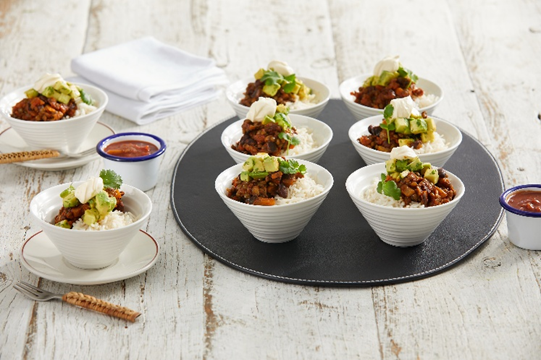
Grains
Grains are great for energy! And can be a good source of fibre.
- Offer a variety across the menu, e.g. pasta, rice, couscous, barley
- Include 4 serves daily
- Offer bread at every meal, try different varieties, e.g. rolls, flat bread
- Include wholegrains for fibre

Vegetables
Vegetables give you vitamins, minerals and fibre.
- 2-3 serves with the main meal, at least 2 different colours each time
- 1 serve with the light meal
- ½ - 1 serve in soup
- ½ serve at breakfast
- Use in baking for added fibre

Fruit
Fruit is another source of vitamins, minerals, fibre (& a bit of energy too)!
- Include a fruit dessert once daily
- Use fruit in baking for added fibre
- Offer fruit at breakfast
- Make sure it’s cut up and easy to eat
Check out the Australian Dietary Guidelines for food group serving size information.
