

10 Culinary Trends Shaping Foodservice in 2026
Explore foodservice industry trends for 2026. Discover the latest food and beverage trends in Australia. Futureproof your menu with Nestlé Professional!





As we move into 2026, the Australian foodservice industry is undergoing a shift towards thoughtful dining experiences. With rising living costs, consumers are dining out less frequently, making it essential for businesses to deliver value, comfort, and memorable moments on every plate.
Despite these shifts, the industry remains resilient. Growth is projected to continue through to 2030,1 driven by the popularity of convenience options, Quick Service Restaurants (QSRs), evolving work routines, and changing dining habits.
Whether you manage a local café, a bustling pub, the food and beverage operations of a hotel, or work in Aged Care, discover the latest trends for 2026 and learn how we can help you create smart menu choices that enhance your business.
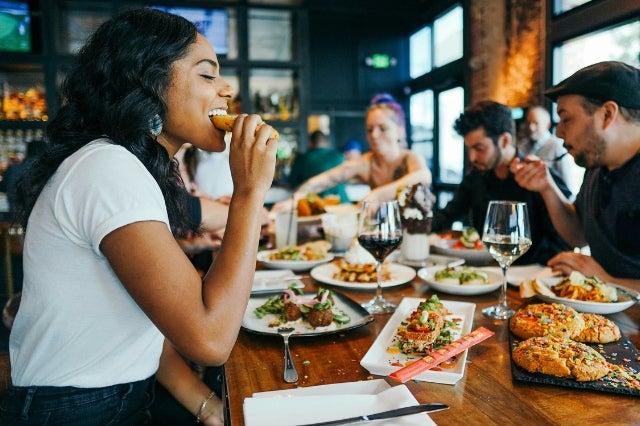
1. Value-driven dining is on the rise
Value-driven dining isn’t just about offering the lowest prices anymore, especially as the cost of living continues to rise.
More Australians are looking for dining experiences that feel like a special treat, with 67% saying they want eating out to be memorable in 2026 and 43% hoping for more happy hours and value deals that make going out feel worthwhile and affordable.2
For restaurants and cafés, the real opportunity here is to give customers meaningful value – making each meal feel special and worth the spend, even as people watch their budgets more closely. By adjusting prices thoughtfully and creating meaningful promotions and experiences, businesses can build loyalty with customers and encourage repeat visits.3
How to jump on the trend
- Design value around moments, not price, by anchoring offers to specific times or occasions, such as early evenings, mid-week catch-ups or quieter trading windows, so value feels intentional rather than reactive.
- Use menu language that signals a treat, shared moment or reason to pause, helping guests feel like they are choosing an experience, not just a deal.
- Build a menu structure with a core range of offerings, paired with rotating options such as Limited Time Offers or seasonal premium dishes.
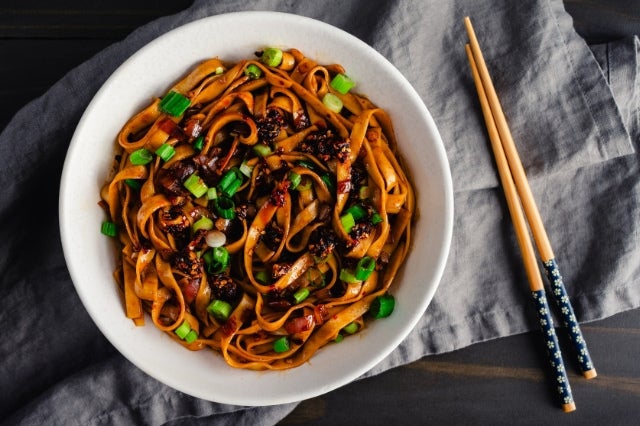
2. Sensory overload: texture and bold flavours rewire menus
Sensory overload is all about maximising satisfaction through texture, aroma and visual contrast, rather than portion size alone. According to OpenTable,4 25% of Australian consumers want dining out to be a memorable experience in 2026, meaning people are looking for meals that feel memorable and indulgent.
Global forecasts also point to an appetite for immersive experience-led dining, where familiar dishes are elevated with bold seasoning and contrast. This is especially relevant for health-conscious diners, including those using GLP-1 medications, who are willing to eat less if the meal still feels rewarding.5 Asian-inspired street food flavours are also playing a growing role, especially at brunch, while coffee menus are getting creative with new texture combinations to appeal to younger generations.6
How to jump on the trend
- Design for contrast by adding crunchy elements such as seeds, puffed grains or creative toppings to your dishes - our MAGGI Natural Mashed Potato is a versatile base for creating crispy sides such as croquettes.
- Upgrade brunch with bold, Asian-inspired dishes like congee bowls or chilli-forward eggs, using our MAGGI Professional sauces, pastes and seasonings for an easy fusion twist.
- Build multi-texture desserts by pairing soft or creamy bases with crisp inclusions, using NESTLÉ DOCELLO Mousse Mixes or NESTLÉ DOCELLO Dessert Mixes as a versatile foundation.

3. Return-to-office reshapes daytime coffee and snack consumption
Office occupancy across Australian CBDs has stabilised at around 70–75% of pre-COVID levels,7 with hybrid work patterns driving more intentional office days. People aren’t stopping by cafés as often, but when they do, they tend to spend more.8
This shift opens up new opportunities for cafés to offer premium coffee options, brunch bundles, and special midweek treats that fit in with Aussies’ evolving work habits.
It’s also a reminder to make sure that the office itself is well equipped to satisfy employees’ coffee needs, whether it be user-friendly coffee machines or instant coffee solutions for that quick caffeine fix.
How to jump on the trend
- Target Tuesday to Thursday demand with office-friendly coffee and meal deals, as well as additional snack offers. Discover our range of BUONDI blends – locally roasted coffee beans, crafted for Aussie coffee lovers.
- Optimise menus for speed and ‘desk-ready’ portability, especially breakfast and 3 pm snacks.
- Upgrade your workplace coffee set up with automatic bean-to-cup solutions like our NESCAFÉ Fusion machines for barista-quality coffee at the touch of a button, or opt for the classic bold, smooth taste with NESCAFÉ Blend 43.
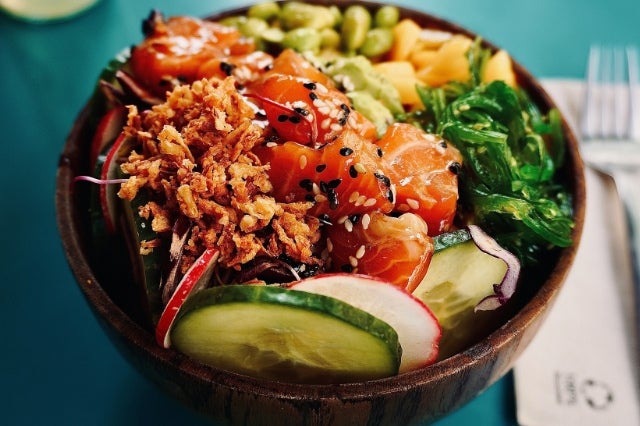
4. Flexibility is the new flex: customisable bowls, brews and bites
Flexibility isn't just a nice-to-have anymore – it's what diners expect as the standard. Customers increasingly want choice over ingredients, formats and dietary options, particularly in coffee and bowls. With Gen Z continuing to lead the charge in customised coffee, opting for alternative milks and iced options,9 this trend is also expected to expand into food in 2026.
‘Build-your-own' formats are thriving because they balance choice for customers with operational efficiency back of house. This allows venues to adapt menus without increasing complexity across the food and beverage offering – in 2025, Lightspeed reported restaurants, cafes and bars changed their menus an average of 56 times per year.10
How to jump on the trend
- Curate customisation options rather than offering endless swaps, communicating clearly on menus and point of sale.
- Create framework menus built around a base, protein, veg and sauces like our MAGGI Gravy range.
- Save time with automated coffee machines to deliver quality customised drinks with maximum convenience and minimal labour – check out our NESCAFÉ bean-to-cup solutions.
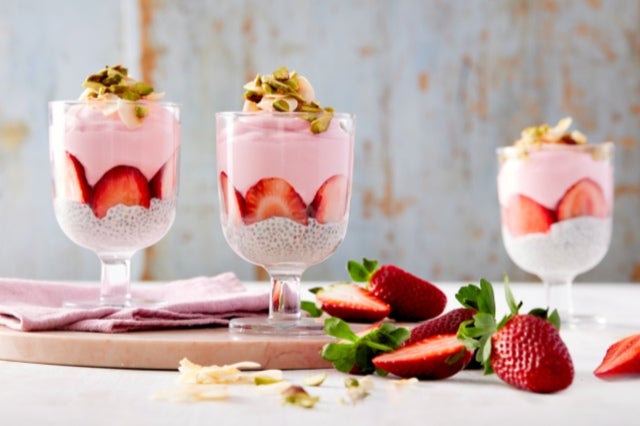
5. Protein, fibre and gut health meets the GLP-1 era
Global forecasts highlight protein and fibre as the leading nutrition priorities for 2026 and beyond1112 with both nutrients delivering the satiety and wellness benefits consumers increasingly seek. New Nutrition Business ranks Animal Protein and Digestive Wellness as the top two health trends for 2026.13
Protein continues to gain attention for its role in maintaining muscle mass, while fibre remains critical for supporting gut health. The newly released US Dietary Guidelines also emphasise prioritising protein intake, particularly from animal sources.14
At the same time, the rapid global rise of GLP-1 medications for weight management is influencing consumer behaviour. Research shows consumers taking GLP-1 medications are more likely to reduce discretionary foods and actively choose nutrient dense, high protein and high fibre options such as yoghurt, fish, fruits, vegetables and wholegrain choices.15
How to jump on the trend
- Boost fibre by incorporating seeds, pulses and wholegrains into soups, bases and baked items.
- Highlight existing high protein and high fibre dishes already on the menu – such as grain based salads topped with fish, chicken, tofu or prawns, or legume-rich, vegetable-forward soups. Save prep time by using our range of MAGGI Soup Mixes as a convenient, reliable base for your next soup menu item.
- Introduce fibre and protein forward breakfasts, including chia puddings, overnight oats with yoghurt, nuts and seeds, and spinach & cheese frittatas to meet growing demand for satisfying, nutrient dense starts to the day.
6. Smart convenience: AI, automation and prep that pays its way
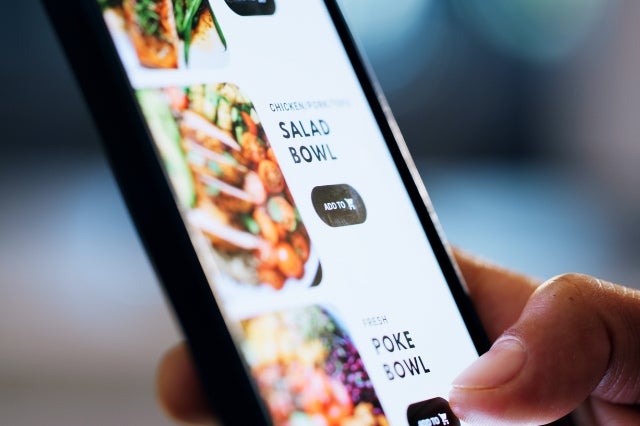
Labour pressure remains one of the biggest challenges for hospitality, pushing operators to rethink where time, skill and effort can deliver the most value.16 Increasingly, the industry is looking to practical tools like AI and automation to help improve efficiency behind the scenes, from AI-driven rostering to forecasting demand. Meanwhile, on the front-of-house side, technology in POS spaces has become the new norm, with QR code and tablet ordering now evolving to include AI assistance and dining recommendations.
OpenTable also reports that 22% of Aussies are planning to use AI more to search for restaurants in 202617 – meaning it’s now more important than ever to ensure you are showing up online in the right spaces.
How to jump on the trend
- Start by identifying one business area where it would be feasible to implement AI or automation to help make operations more efficient, whether it be rostering tools or POS.
- Use time-saving culinary solutions such as our finished BUITONI Professional tomato sauce range and NESTLÉ DOCELLO Dessert Mixes which deliver scratch-made quality without the hassle.
- Leverage data from smart equipment, such as our automatic NESCAFÉ Fusion Machines to track volumes, peak periods and product drink selections, informing both rostering and menu design.

7. NoLo goes mainstream on-premise
No- and low-alcohol options are here to stay in the 2026 beverage scene. NIQ reports double-digit growth across APAC, while 62% of on-premise consumers now describe their drinking as moderated.18
This reflects a broader shift towards mindful socialising, with the focus shifting to flavour, choice and overall well-being, rather than alcohol alone.
How to jump on the trend
- Give NoLo drinks a dedicated menu section rather than treating them as an add-on.
- Develop hero non-alcoholic options - get inspired with these creative iced drink recipes, or coffee-based creations to refresh your menu.
- Train staff to recommend NoLo options with the same confidence as alcoholic beverages.

8. Aged care transformation: Standard 6 raises the bar on food, nutrition and dining
Australia’s strengthened Aged Care Quality Standards have introduced a dedicated Standard 6, focused on food and nutrition, raising expectations around enjoyment, choice and nutrition for older Australians in care.19 Coming into effect from November 2025, here’s a quick rundown of the changes foodservice operators should be aware of:
- Choice and involvement: Residents help shape menus to match their tastes, cultural traditions, and needs.
- Nutrition and safety: Meals must be healthy, appealing, and meet strict food safety standards, with regular checks to prevent malnutrition.
- Positive dining experiences: Mealtimes should feel welcoming, with comfortable spaces, flexible schedules, and support for individual needs.
How to jump on the trend
- Map menus directly to Standard 6 requirements for choice, enjoyment and nutrition.
- Incorporate protein, calcium and fibre rich meals across the day – create delicious fortified desserts with ease using enriched milk to prepare our NESTLÉ DOCELLO Mousse and Dessert Mix range.
- Educate staff on allergens, malnutrition risk and dining experience – check out our range of free resources to help with allergen management.
- Get ahead with menu planning to ensure compliance requirements are met – access our free handy nutrition resources here.

9. Sustainability in focus: single-use plastic bans and circularity in practice
With many states in Australia rolling out phased bans on various single-use plastics , restaurants and cafes need to rethink how they package the food they sell, choose suppliers, and handle waste.20
These updates are making a real difference in what businesses buy and how they run things, pushing everyone to find smarter, stronger ways to operate.
How to jump on the trend
- Check your local state guidelines21 on packaging formats and offer your customers only approved and compliant formats.
- Provide dedicated recycling or compost bins for customers to dispose of their waste correctly.
- Think beyond single-use plastics to broader areas where you could be acting more sustainably, e.g. minimising food waste and sourcing local ingredients.
10. Off-premise 2.0: fast, flexible and still affordable
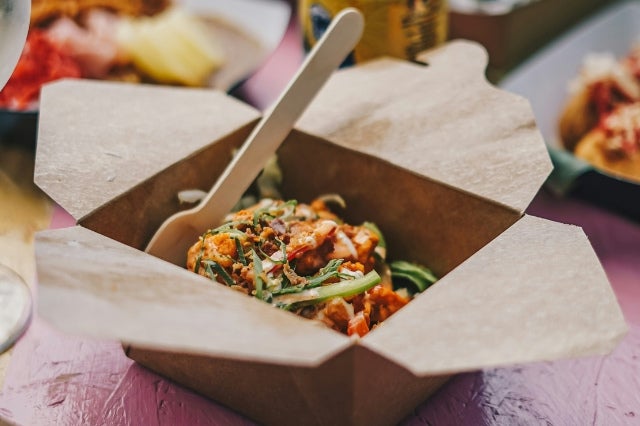
Delivery and takeaway aren’t just an occasional option anymore, for some it's now become a part of everyday habits. Food delivery apps are seeing strong usage across all meal periods,22 while convenience food revenue continues to rise.
To stand out, restaurants need to create menus that work well for takeout and delivery. That means making sure food tastes great, offers good value, and stays consistent – no matter where it’s enjoyed.
How to jump on the trend
- Create delivery-optimised mini menus focused on items that travel and reheat well, perfect for food trucks and other mobile foodservice providers.
- Use value bundles instead of discounts to protect margins.
- Maintain meal quality while saving time with solutions like MAGGI Ready to Use Rich Gravy or BUITONI Professional tomato sauces – simply heat, pour and serve
Where to next for Australian foodservice in 2026?
Across these emerging trends, three themes stand out. Every bite counts, with smaller, more intentional occasions demanding impact through flavour, texture and nutrition. Foodservice operators must do more with less, using smart convenience, automation and reformulation to manage labour and cost pressure.
Keep on top of these trends to stay ahead and turn these fresh ideas into practical solutions for your business.
References
1. Mintel (2025), 2026 Global Food & Drink Predictions Report
2. OpenTable (2025), 2026 Dining Trends Report
3. Lightspeed (2025), The 3 Shifts Which Shaped Hospitality in 2025
4. OpenTable (2025), 2026 Dining Trends Report
5. Mintel (2025), 2026 Global Food & Drink Predictions Report, p.30-42
6. Tastewise (2025), 2026 Food & Beverage Trend Forecast, p.38
7. Australian Bureau of Statistics (2025), Working arrangements
8. Wesptac (2025), How data is brewing better café experiences for Aussies
9. Mintel (2025), The Future of Coffee: 2025
10. Lightspeed (2025), Menus in Motion: How Australian Venues Are Navigating Updates and Price Hikes
11. Datassential (2025), 2026 Trends Report, p.82
12. Mintel (2025), 2026 Global Food & Drink Predictions Report, p.15
13. Julian Mellentin (2026) 10 Key Trends in Food, Nutrition and Health 2026. Nov/Dec 2025, Vol. 31(2/3). New Nutrition Business.
15. Mintel (2026). Will GLP-1 drugs reshape appetites? Plan, but don't panic. Industry Trend January 6, 2026
17. OpenTable (2025), 2026 Dining Trends Report
18. Nielsen (2025), No, low or less alcohol drives new expectations for On Premise experiences
19. Department of Health, Disability and Ageing (2025), Food and nutrition in aged care – regulation and compliance
20. Hospitality Magazine, Your guide to Australian single-use plastic bans
21. National Retail Association, Action on Single-Use Plastics
22. Doordash (2025), 2025 Food Delivery and Restaurant Trends in Australia